Selling Land With Back Taxes or Liens in New Jersey
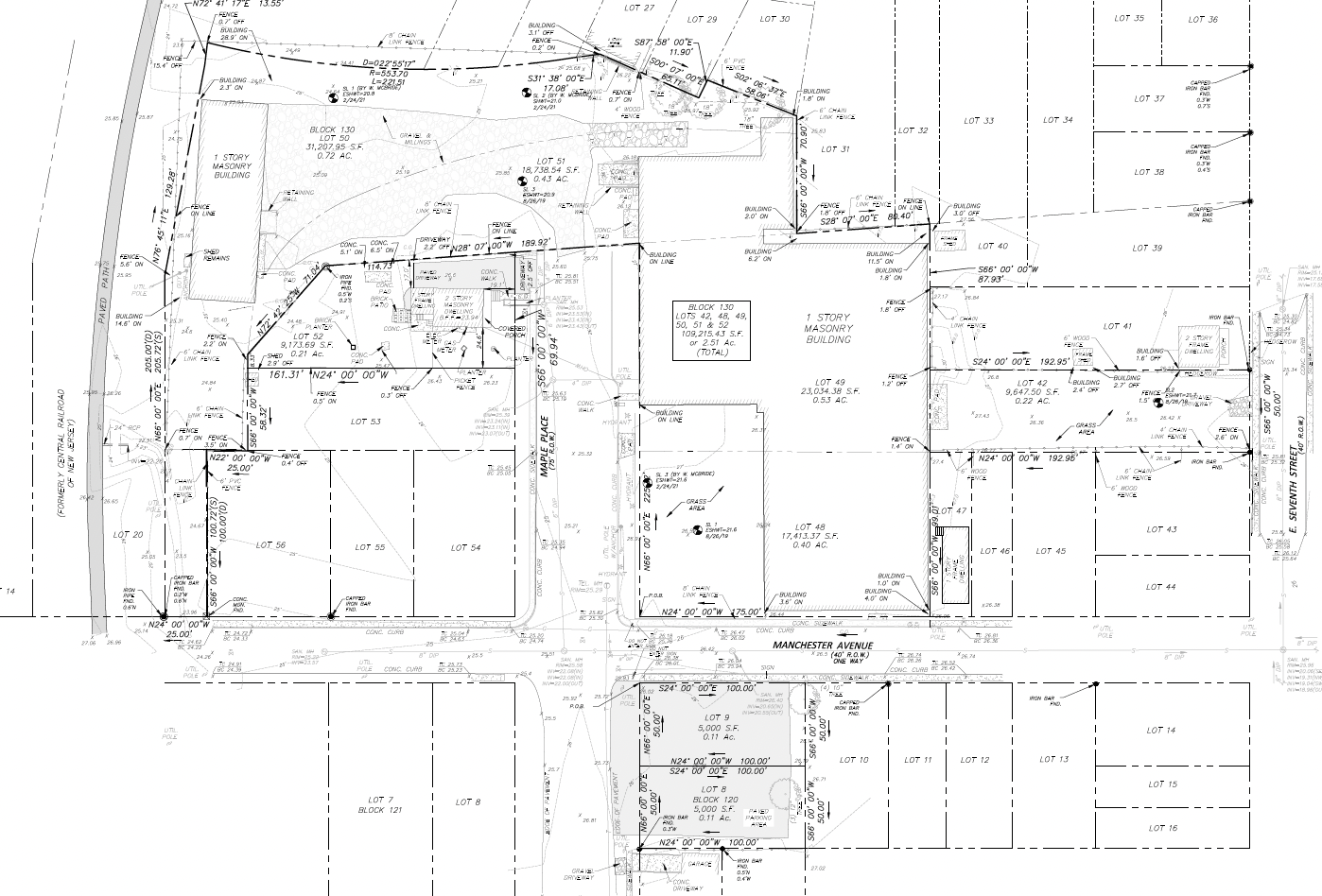
Can you sell land in New Jersey if you owe back taxes? Yes. Unpaid taxes and liens don’t stop a sale, but they have to be dealt with so the buyer can get clear title. How that happens is worked out between you, your attorney, the municipal tax collector and a title company. We buy raw land across New Jersey, including parcels with tax and title problems. This guide explains how New Jersey’s tax sale process works and what your options are. It is general information, not legal or tax advice. Please talk to your attorney before you act.
Can I sell my land if I owe back taxes?
Yes. Owing back taxes limits nothing about your right to sell. What it changes is the paperwork. In New Jersey, property taxes are a continuous lien on the real estate, which means a buyer and its title company will see the unpaid amount and expect it to be resolved as part of the sale. Your attorney and the title company work out the exact payoff figures.
If you inherited the land and the taxes built up while the estate was being settled, our guide to selling inherited land in NJ covers the estate side.
How does a New Jersey tax sale work?
The municipality doesn’t sell your land. It sells a lien on it. The state’s Division of Local Government Services explains that at a tax sale, title to the delinquent property itself is not sold; what is sold is a tax sale certificate, a lien on the property. The certificate holder can later start a foreclosure case, which is the only route to taking the land itself.
This is the general order of events under the state’s tax sale law:
| Step | What happens | Source |
|---|---|---|
| Taxes go unpaid | Unpaid taxes or municipal liens remain in arrears at the close of the fiscal year | N.J.S.A. 54:5-19 |
| Tax sale | The tax collector must enforce the lien by holding a standard tax sale in the following fiscal year. A municipality can also hold an accelerated sale if amounts are still owed on November 11 of the year they fell due | N.J.S.A. 54:5-19 |
| Owner can redeem | The owner, the owner’s heirs, a mortgage holder or an occupant can redeem by paying the required amount until the right to redeem is cut off | N.J.S.A. 54:5-54 |
| Foreclosure possible | A foreclosure action can generally be started two years after the sale date. If the municipality itself holds the certificate, six months | N.J.S.A. 54:5-86 |
Two details in the law are worth knowing. The right to redeem continues until a Superior Court judgment bars it (N.J.S.A. 54:5-86). And the tax collector must give a party entitled to redeem two redemption calculations a year at no cost, on written request. Municipalities may also allow an installment agreement that keeps a property out of a tax sale, under conditions set in the statute (N.J.S.A. 54:5-19). Ask the tax collector whether yours does.
Tax sale rules have been amended several times, and municipalities apply them in their own way. Treat this table as a map, and confirm every step with your attorney and your town’s tax collector.
How long can property taxes go unpaid in NJ?
There is no fixed number of years an owner can wait. The timing follows the fiscal year. Taxes still owed at the close of the fiscal year are enforced through a standard tax sale in the following fiscal year, and a municipality that uses accelerated sales can act sooner. Your town’s tax collector can tell you where your parcel stands and which kind of sale the town uses.
What is a tax sale notice in NJ?
It is the municipality’s notice that the lien on your parcel is going to be offered for sale. It usually names the property and the amount owed. Get in touch with the tax collector as soon as you see one. That is the person who can give you the redemption figure, and getting the number early gives you time to decide with your attorney. If a notice is the reason you’re reading this, you have options, and selling is one of them.
Behind on taxes for land you want to sell?
Send the block and lot and tell us what is owed. You get a 15-minute call, then a written, formula-based offer within 48–72 hours. No fees or commissions.
How do liens and back taxes affect the price of my land?
They don’t change what the land could be worth. They change what is left after they are paid. If the sale price covers the taxes, interest and any other liens, the balance goes to you. The order and amounts are set out in the payoff figures your attorney and the title company obtain. We won’t estimate them here, because they depend on your town, your parcel and how long the amounts have been owed.
What buyers do care about is how certain the title is. A buyer who doesn’t want to deal with liens and tax sale certificates will pay less or walk away. We are used to these files and factor that into the offer.
What other title problems come up with tax-delinquent land?
Land with back taxes often has other issues: heirs who never retitled the property, a mortgage from decades ago, a judgment lien, an old survey that doesn’t match the deed. None of these is unusual. All of them are for your attorney and the title company to identify and clear. Tell any buyer about them at the start. Surprises found late in a contract cost everyone time.
Should I pay the back taxes before I sell?
That is a decision for you and your attorney or tax professional. Some owners pay first if they can. Others sell with the taxes outstanding and have them paid at closing from the proceeds, as the title company arranges. Neither choice is wrong, and which is better depends on your cash position and on how far along a tax sale is. We won’t advise on it.
How does a direct land buyer handle back taxes and liens?
We are the buyer, not a broker. That matters here because you’re not paying a commission on top of a debt, and we don’t list your land or shop it to other buyers. We also charge no fees.
- Tell us about the parcel. The block and lot or the address is enough to start. Use the sell my parcel form.
- A 15-minute call with an Acquisitions Manager. You can tell us about the taxes or liens, and we’ll listen without pressure.
- A written, formula-based offer within 48–72 hours, with the reasoning behind it, and one we honor.
- Contract with attorney review. Your attorney reviews the contract, and the title company works out the payoff of taxes and liens.
You pay your own attorney and your own realty transfer fee. We are flexible on contract terms in ways many corporate buyers aren’t. We don’t promise a closing date, because timing depends on the parcel, the title work and the utilities available.
There are some parcels we don’t buy: preserved farmland, Green Acres land, commercial or industrial land, and land with a large unfavorable wetlands presence. If you’d like to know what makes buildable land valuable, see how much an acre of land is worth in NJ.
Frequently asked questions
Can you sell your property if you owe back taxes?
Yes. The unpaid taxes are a lien, and the buyer and the title company will expect them to be resolved as part of the sale. Your attorney coordinates the payoff figures.
How long can property taxes go unpaid in NJ?
Taxes unpaid at the close of the fiscal year are enforced through a tax sale in the following fiscal year, and some towns hold accelerated sales sooner. Ask your tax collector how your town handles it.
What is a tax sale notice in NJ?
It is notice that a lien for unpaid taxes or municipal charges on your parcel will be sold at a tax sale. Ask the tax collector for a redemption calculation; two per year are free on written request.
Can I still sell after a tax sale has happened?
Often yes, because a tax sale sells a lien, not the land, and the owner can redeem until the right to redeem is cut off. A foreclosure action can generally start two years after the sale. Speak to an attorney promptly, because your options depend on where the case stands.
Do property taxes still apply to vacant land?
Yes. Vacant land is taxed like other real estate, and unpaid taxes are a lien on the property. If the land is farmland assessed, a different rule applies when its use changes. See our guide to farmland roll-back taxes in NJ.
How much tax do you pay when you sell vacant land?
That depends on your gain and your situation, so it’s a question for a tax professional. We don’t give tax advice.
Want to know what your land could sell for? Tell us about your parcel and you’ll get a call, then a written number within 48–72 hours. Or call (732) 852-9571.
This article is general information, not legal or tax advice. Talk to your attorney and tax professional about your situation.
Sources checked
Checked on September 30, 2026.
- N.J.S.A. 54:5-19: When a tax sale takes place after taxes go unpaid, including the accelerated sale.
- N.J.S.A. 54:5-54: The owner, heirs, mortgagee or occupant may redeem until the right is cut off.
- N.J.S.A. 54:5-86: Foreclosure timing after a tax sale certificate; the right to redeem continues until barred by a court judgment.
- NJ DLGS: elements of tax sales: Property taxes are a continuous lien; a tax sale sells a lien certificate, not title.
About the authors

Chris Muldoon, MBA
COO & Director of Acquisitions
Chris Muldoon is COO and Director of Acquisitions at BayfordBridge, a New Jersey land acquisition and entitlement company based in Red Bank. He leads the team that evaluates and makes offers on land across the state.

Mitchel Rubinstein, MBA
CEO & Founder
Mitchel Rubinstein is CEO and Founder of BayfordBridge, with roots in the family’s 30+ year residential development business.
No commission · No obligation
Your land. A real number. This week.
Send the address or Block/Lot. A named person at BayfordBridge reviews it and sends a written, formula-based offer within 48–72 hours, even on wetlands, Pinelands, Highlands or back-tax parcels.
Prefer to write first?