How to Sell Land in New Jersey
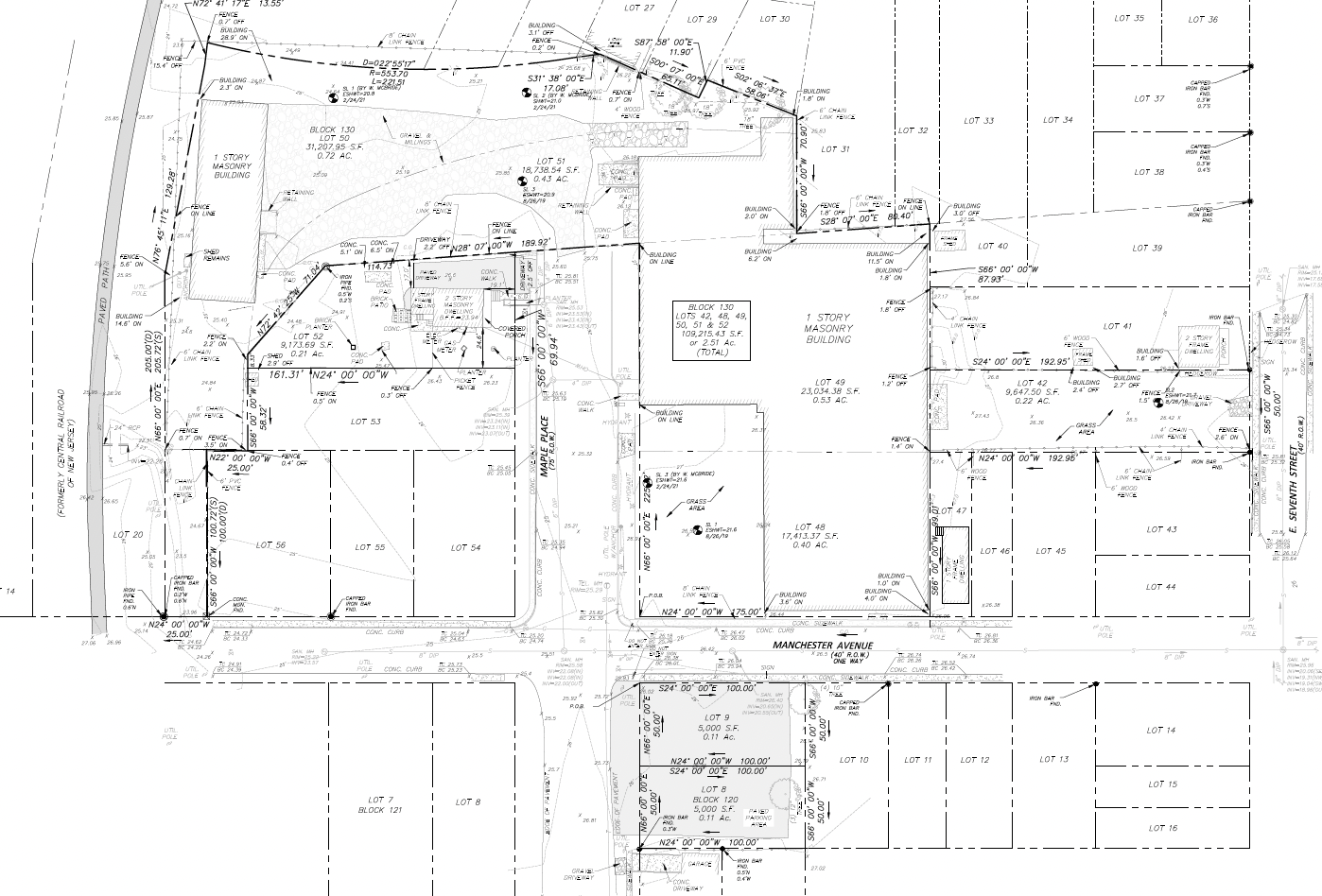
To sell land in New Jersey, confirm you are the owner of record, gather the parcel’s block and lot and your title papers, choose how you want to sell, sign a contract that your attorney has reviewed, and close by recording a deed with the county clerk. The order rarely changes. What changes is who you sell to, and that decides how much work lands on you. We’re a direct land buyer across New Jersey, so we see both sides of this process, and this guide covers all the routes, including the ones that aren’t us.
What is the best way to sell a piece of land?
The best way depends on your parcel and on how much time and effort you want to put in. There are four common routes, and each one fits a different owner.
| Route | How it works | Best for | Watch out for |
|---|---|---|---|
| Realtor or land broker | A licensed broker lists and markets the land and negotiates for you | Owners who want the widest exposure and can wait for the right buyer | A commission; a listing price that may not reflect what can be built |
| Sell it yourself | You market the land, find the buyer and manage the paperwork with your attorney | Owners with time, and a parcel that is easy to describe | Pricing without comparable sales; screening buyers on your own |
| Direct cash buyer | A company that buys the land itself, usually with a written offer | Owners who want a defined offer rather than a listing | Offers vary widely; some “buyers” pass your contract to someone else |
| Developer or entitlement partner | A buyer that pays for approvals and builds or sells lots | Parcels that could support homes if rezoned or subdivided | Longer timelines; the price may depend on approvals |
We go deeper on the first two in selling land without a realtor in NJ and compare all the buyer types in who buys land in NJ.
What are the steps to sell land in NJ?
There are seven, and you can do most of the first four before you talk to a single buyer.
- Confirm who owns the land. The seller has to be the owner of record, or someone with legal authority to sign for the owner, such as an executor. If the land came from a relative and the deed was never updated, sort that out with an attorney first. It often comes up with inherited land.
- Find the block and lot. Every New Jersey parcel is identified by a tax block and lot, printed on your tax bill. County clerks use them to find records. For example, the Monmouth County Clerk asks for the municipality, block and lot when you request copies of recorded documents.
- Pull your deed and check the basics. The county clerk keeps the record of real property ownership and transfers, and Monmouth County, for one, lets you search and print recorded documents online. Look for easements, restrictions and the exact legal description.
- Learn what the land can be used for. A township’s zoning ordinance can regulate the use of land and lot sizes, so the zoning district is the first thing any serious buyer checks. Ask about wetlands, flood areas and public sewer and water too. Our acre value guide explains how each one moves the price.
- Choose your route and get a price. Use the table above. Whichever you pick, get the number in writing.
- Sign a contract, with your attorney reading it. More on this below.
- Close and record the deed. The buyer’s side and yours settle the money, and the deed is recorded with the county clerk.
Is there an attorney review period when you sell land in NJ?
Sometimes. New Jersey’s consumer guide says that if a contract of sale is prepared by a real estate licensee, it must contain an attorney review clause: buyer and seller have three business days after the fully signed contracts are delivered to consult an attorney, who may propose revisions or void the contract.
That guide is written for home buyers and speaks about contracts a licensee prepares. If no broker is involved, whether your contract has a review window depends on what the contract itself says. Ask your attorney before you sign anything, and don’t assume you have the three days. Either way, have a New Jersey attorney read a land contract before you sign it.
Want a number before you choose a route?
Send the block and lot. An Acquisitions Manager calls for 15 minutes, then you get a written, formula-based offer within 48–72 hours. No fees or commissions.
What does a seller pay at closing in NJ?
The seller pays the state’s realty transfer fee and their own attorney. The Division of Taxation says the realty transfer fee is imposed on the seller for recording a deed, and it is calculated from the consideration stated in the deed, using a rate table that rises with the price.
That is the fee we mean when we say you pay your own realty transfer fee and your own attorney. The rest of the closing costs depend on the contract you sign, so read the closing section carefully whoever the buyer is. If you list with a broker, the listing agreement sets the commission. When you sell to BayfordBridge there are no fees and no commissions.
Ask your attorney or tax professional about any tax on the sale itself. It depends on your situation and we can’t advise on it.
What if I live out of state?
You can still sell New Jersey land from anywhere. The main extra step is a tax form. Under New Jersey rules, a nonresident seller has to make an estimated Gross Income Tax payment when a deed is recorded, unless the seller qualifies for one of the exceptions listed on the state’s GIT/REP-3 form. The state says the payment is figured on the seller’s gain, but it can’t be less than 2% of the total consideration in the deed.
Residents complete a GIT/REP form too, and it is required to record the deed either way. Your attorney or closing agent will tell you which form applies to you. Most of the rest of the sale can be handled remotely, with a power of attorney if you can’t attend the closing, which is another question for your attorney.
How do I sell unwanted land?
Treat it like any other parcel: the steps above still apply, and the land doesn’t have to be “worth” much to be sellable. Owners who call us about land they never wanted usually fall into three groups. They inherited it, they bought it as an investment that didn’t pan out, or they live far away and never see it.
Two things help. First, find out what the land can legally hold, because a lot that looks useless may still be buildable. Second, ask buyers whether they will take on problems you don’t want to solve, such as an old survey or a title cloud. Some will and some won’t, and it changes the price. We buy constrained land too, including parcels with back taxes, unclear title or Pinelands, Highlands and CAFRA rules, when a favorable outcome is realistic. We don’t buy preserved farmland, Green Acres land, commercial or industrial land, or land with a large unfavorable wetlands presence.
How does selling to BayfordBridge work?
We are the buyer, not a broker. We don’t list your land, market it to others or charge fees. Here is the path:
- Tell us about the parcel. Send your block and lot, county and any notes through the sell my parcel form.
- A 15-minute call. An Acquisitions Manager talks it through with you. No pressure.
- A written offer within 48-72 hours. It’s a formula-based offer, and when we put a number in writing we stand behind it.
- A contract, with your attorney’s review. Many corporate buyers hand you a take-it-or-leave-it contract. Sellers tell us they choose us because we’re willing to be creative with contract terms.
For the right parcel we can also offer an entitlement partnership: we fund the surveys, engineering and applications to get the land approved, and the price reflects the approved value. It can pay more than a straight cash sale, but not for every parcel, and we’ll tell you honestly which one fits yours. We never promise a closing date, because closing depends on the contract and on any approvals involved.
Frequently asked questions
Can I sell my land by myself in New Jersey?
Yes. New Jersey’s real estate licensing law does not apply to an owner dealing with property he or she owns, according to N.J.S.A. 45:15-4, so you don’t need a license or a broker to sell your own land. You will still need an attorney to prepare or review the contract and handle the closing. Our guide to selling land without a realtor has the details.
What closing costs do sellers pay in NJ?
The seller pays the realty transfer fee and their own attorney. Other costs depend on the contract. See the closing costs section above.
How much tax do you pay when you sell vacant land?
We can’t answer that. It depends on your gain, your residency and your circumstances, so ask your tax professional. What we can point to is the state’s nonresident payment rule described above.
How long does the attorney review period last?
Where the clause applies, the state says it is three business days from delivery of the fully signed contracts. It applies to contracts prepared by a licensee, so ask your attorney whether it covers yours.
Can I sell land if I live out of state?
Yes. Expect the nonresident Gross Income Tax step at closing, and ask your attorney about signing remotely.
What is the best way to sell a piece of land?
The one that matches your parcel and your timeline. Use the comparison table at the top of this guide and get any offer in writing.
Ready to hear a number?
If you’d like a written offer from a buyer that actually builds, tell us about your parcel or call (732) 852-9571. You can also read how we work statewide on our New Jersey land buyer page.
Sources checked
Checked on September 30, 2026.
- NJ Division of Taxation: realty transfer fee: The fee is imposed on the seller when the deed is recorded.
- NJ consumer guide to buying a home: Contracts prepared by a real estate licensee include a three business day attorney review clause.
- NJ Division of Taxation: GIT/REP FAQ: The GIT/REP form is needed to record a deed; nonresident sellers make an estimated Gross Income Tax payment unless an exception applies.
- N.J.S.A. 45:15-4: The real estate licensing article does not apply to a bona fide owner dealing with their own property.
- Monmouth County Clerk: real property recordings: The clerk keeps the record of property ownership and transfers; copies are requested by municipality, block and lot.
- Municipal Land Use Law excerpt: A zoning ordinance may regulate land use and lot sizes (C. 40:55D-65).
About the authors

Chris Muldoon, MBA
COO & Director of Acquisitions
Chris Muldoon is COO and Director of Acquisitions at BayfordBridge, a New Jersey land acquisition and entitlement company based in Red Bank. He leads the team that evaluates and makes offers on land across the state.

Mitchel Rubinstein, MBA
CEO & Founder
Mitchel Rubinstein is CEO and Founder of BayfordBridge, with roots in the family’s 30+ year residential development business.
No commission · No obligation
Your land. A real number. This week.
Send the address or Block/Lot. A named person at BayfordBridge reviews it and sends a written, formula-based offer within 48–72 hours, even on wetlands, Pinelands, Highlands or back-tax parcels.
Prefer to write first?