Farmland Roll-Back Taxes in New Jersey: What Sellers Should Know
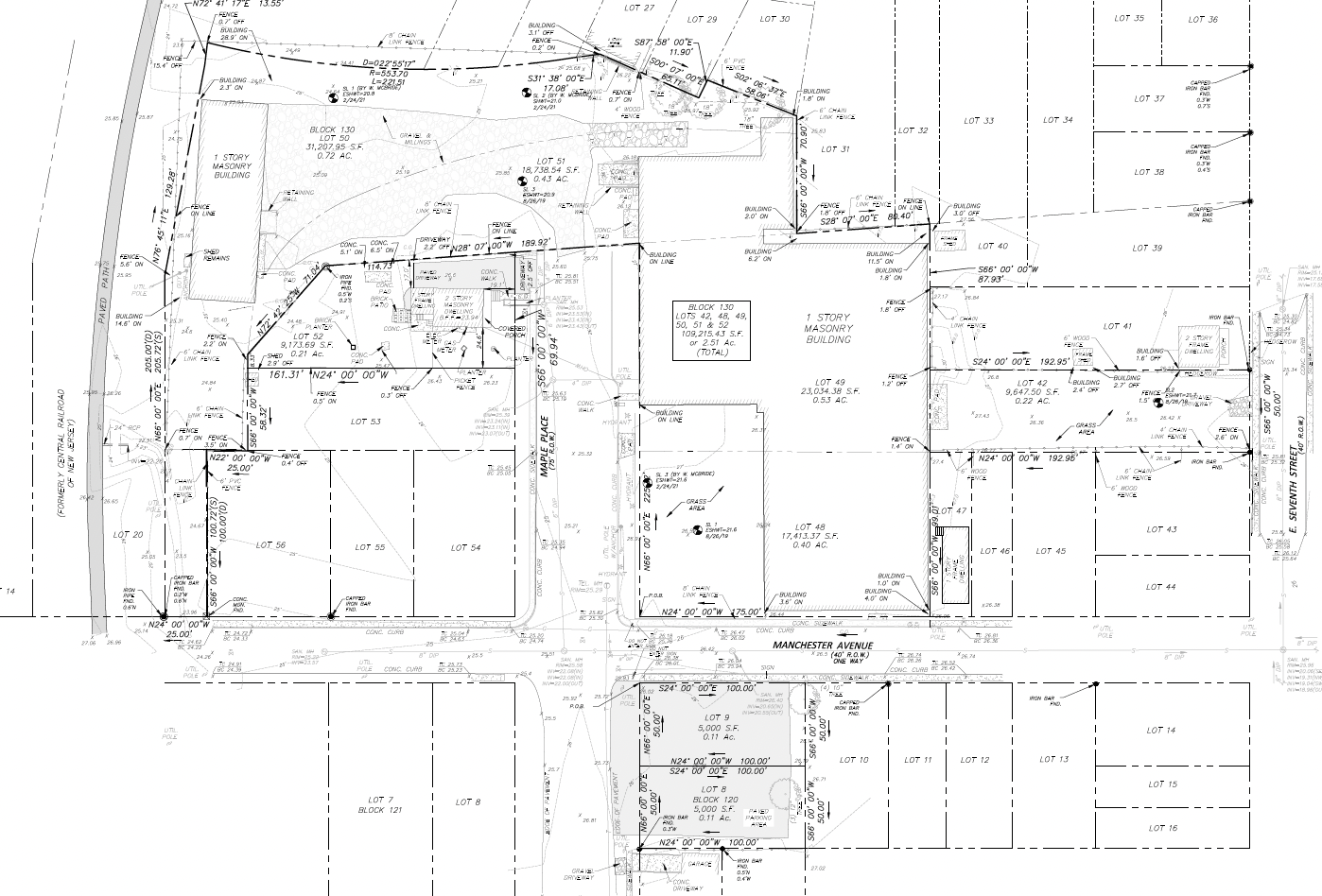
What is a roll-back tax in New Jersey? It is an extra tax charged when land that was assessed as farmland changes to a non-farm use. It covers the year the use changes and up to two years before it, and it is the difference between the low farmland tax and the tax the land would have paid as ordinary property. If you own farmland-assessed land and are thinking of selling it, this is the tax to understand first. We buy raw land across New Jersey. This guide is general information, not tax or legal advice. Your attorney and tax professional should confirm how it applies to your parcel.
What is farmland assessment in New Jersey?
It is a program that taxes qualifying land on its value as farmland instead of its value for development. The Department of Agriculture explains that the Farmland Assessment Act permits farmland and woodland acres that are actively devoted to an agricultural or horticultural use to be assessed at their productivity value. Buildings and the land around a farmhouse are assessed like other property.
Farmland assessment lowers the tax bill. The reduction isn’t a fixed percentage. It depends on the land and on values the State Farmland Evaluation Committee sets each year, which assessors must use (NJ Division of Taxation). Your assessor can show you the difference on your own parcel.
What are the requirements for farmland assessment in NJ?
According to the NJ Division of Taxation, you must:
- own at least 5 contiguous acres devoted to agricultural or horticultural use;
- have used the land that way for at least two consecutive years before the tax year;
- apply with the tax assessor on or before August 1 of the pretax year;
- keep the land in agricultural or horticultural use through the end of the tax year;
- meet a gross sales minimum: at least $1,000 per year for the first 5 acres, plus $5 per acre for each additional acre. Woodland and wetland under a Woodland Management Plan have a lower minimum of $500 for the first 5 acres plus 50 cents for each additional acre.
The details are more specific than this list, and the requirements can change, so check the current rules with your assessor.
What is a roll-back tax, and how is it calculated?
A roll-back tax is the extra tax owed when farmland-assessed land is applied to a use other than agricultural or horticultural. The state law sets out how the assessor works it out for each affected year:
- Find the land’s full and fair value as if it were ordinary land in the taxing district.
- Apply the county percentage level to get the assessment.
- Subtract the farmland assessment actually used. The result is the additional assessment.
- Multiply that by the local general property tax rate for that year.
(N.J.S.A. 54:4-23.8.) The Division of Taxation describes it more simply: roll-back taxes are the difference between the amount assessed for qualified farmland and the amount assessed for non-farmland in the taxing district.
We can’t tell you what your number would be. It depends on your town’s tax rate and on what the assessor finds the land’s ordinary value to be. Ask the assessor’s office for an estimate.
How far back do roll-back taxes go?
They apply to the year the land’s use changes and the two tax years immediately before it, but only for years the land was actually farmland assessed. The Division of Taxation says roll-back taxes apply to the year the change takes place and the two previous years, provided the land was farmland assessed during that time. The statute says the same (N.J.S.A. 54:4-23.8).
| Situation | Roll-back applies? | Source |
|---|---|---|
| Land changes from farming to a non-farm use | Yes, for the year of change and up to two years before | NJ Taxation |
| Ownership changes and the new owner keeps farming it | No | NJ Taxation |
| Land was not farmland assessed in the prior years | Only for years it was assessed under the Act | NJ Dept. of Agriculture |
| Land is acquired by the State, a local government, a qualifying nonprofit or the Palisades Interstate Park Commission for recreation and conservation | Not subject to roll-back taxes | N.J.S.A. 54:4-23.8 |
Selling land that is farmland assessed?
Send the block and lot. We review zoning, utilities and the assessment, then send a written, formula-based offer within 48–72 hours. No fees or commissions.
Does selling the land trigger roll-back taxes?
Not by itself. The Department of Agriculture says the roll-back tax attaches to the land when a change in use occurs, not when a change in ownership takes place, if the new owner continues to use the land for a qualified farm purpose. So a sale to another farmer does not create one.
If the buyer plans to build, the use will change at some point after the sale, and that is when the tax arises. The same page has an example: land bought by a developer who says it plans to build does not trigger roll-back taxes just because of that plan. The tax comes when the use actually changes. Farmland assessment also covers land that is abandoned from farming, which counts as a change in use.
Who normally pays roll-back taxes?
The law describes when the tax applies. It doesn’t settle who bears it in a sale. That is something the buyer and seller negotiate in the contract, and it’s one of the first clauses your attorney should read closely. Ask before you sign:
- Who pays a roll-back tax that arises after closing, and who pays one that relates to years you owned the land?
- Does the price reflect the tax, or is the tax separate?
- How will the tax be calculated and by when?
One more fact from the Division of Taxation: roll-back taxes become a lien on the land from January of the year in which the roll-back judgment is rendered by the County Board of Taxation. Your title company and attorney will see it.
Is farmland assessment the same as preserved farmland?
No, and the difference matters for a sale. Farmland assessment is a tax treatment. Preserved farmland is land whose development rights have been sold or donated. The State Agriculture Development Committee says preserved farms will forever be protected for agricultural use, and the deed restrictions remain in force for any future owners.
BayfordBridge does not buy preserved farmland. If your land is farmland assessed but not preserved, that is a different situation, and the roll-back tax discussed here is the main tax question. If you aren’t sure which one applies, your deed, your county’s records or the county agriculture development board can tell you.
What should I do before I sell farmland-assessed land?
- Check your assessment. Ask the tax assessor whether the land is currently farmland assessed and for how many years.
- Ask for a roll-back estimate. The assessor can tell you how it would be worked out for your parcel.
- Find out what the land could become. The buyer’s plans decide when the use changes. Our guide on how much an acre of land is worth in NJ explains how zoning and utilities drive value.
- Have your attorney review the contract for the roll-back clause and any farmland lease still in place.
- Talk to a tax professional about your own taxes on the sale.
If you want the full picture of selling land in the state, see how to sell land in NJ.
How does BayfordBridge work with farmland-assessed sellers?
We are the buyer, not a broker. We don’t list your land or shop it to other buyers, and we charge no fees or commissions. After a 15-minute call with an Acquisitions Manager, you get a written, formula-based offer within 48–72 hours, and your attorney reviews the contract. You pay your own attorney and your own realty transfer fee. We don’t promise a closing date. The right parcel for us conforms to local zoning and has public utilities available, and we don’t buy commercial or industrial land, Green Acres land or land with a large unfavorable wetlands presence.
Frequently asked questions
What is a rollback on property taxes?
In New Jersey, it is the extra tax charged when land assessed as farmland changes to a non-farm use. It is the difference between what was paid on the farmland assessment and what would have been paid as ordinary land, for the year of change and up to two years before.
Who normally pays rollback taxes?
The statute says when they apply, not who pays in a sale. Buyer and seller settle that in the contract, so have your attorney review it.
What are the requirements for farmland assessment in New Jersey?
At least 5 contiguous acres in agricultural or horticultural use, two consecutive years of use, an application by August 1, and minimum gross sales (details from the Division of Taxation).
How much does farm assessment reduce taxes in NJ?
There is no single figure. The land is assessed at its farm productivity value instead of its ordinary value, so the saving depends on your parcel and your town’s tax rate. Ask your assessor.
Are roll-back taxes owed if the buyer keeps farming?
No. The Division of Taxation says they are not generated when a new owner continues to actively use the property as farmland.
Does BayfordBridge buy preserved farmland?
No. We don’t buy preserved farmland, Green Acres land, or commercial or industrial land.
Thinking about selling land you farm or used to farm? Tell us about your parcel and you’ll get a call, then a written number within 48–72 hours. Or call (732) 852-9571.
This article is general information, not legal or tax advice. Talk to your attorney and tax professional about your situation.
Sources checked
Checked on September 30, 2026.
- NJ Division of Taxation: farmland assessment: Eligibility; the roll-back applies to the year of change plus two prior years; how it is calculated.
- N.J.S.A. 54:4-23.8: The roll-back tax is the difference in taxes for the current year plus two preceding years; exemptions.
- NJ Department of Agriculture: farmland assessment overview: Roll-back attaches on a change in use, not a change in ownership.
- NJ State Agriculture Development Committee: Preserved farms are protected for agricultural use and deed restrictions bind future owners.
About the authors

Chris Muldoon, MBA
COO & Director of Acquisitions
Chris Muldoon is COO and Director of Acquisitions at BayfordBridge, a New Jersey land acquisition and entitlement company based in Red Bank. He leads the team that evaluates and makes offers on land across the state.

Mitchel Rubinstein, MBA
CEO & Founder
Mitchel Rubinstein is CEO and Founder of BayfordBridge, with roots in the family’s 30+ year residential development business.
No commission · No obligation
Your land. A real number. This week.
Send the address or Block/Lot. A named person at BayfordBridge reviews it and sends a written, formula-based offer within 48–72 hours, even on wetlands, Pinelands, Highlands or back-tax parcels.
Prefer to write first?