Selling a Large Tract or Farm in South Jersey: What Owners Should Know
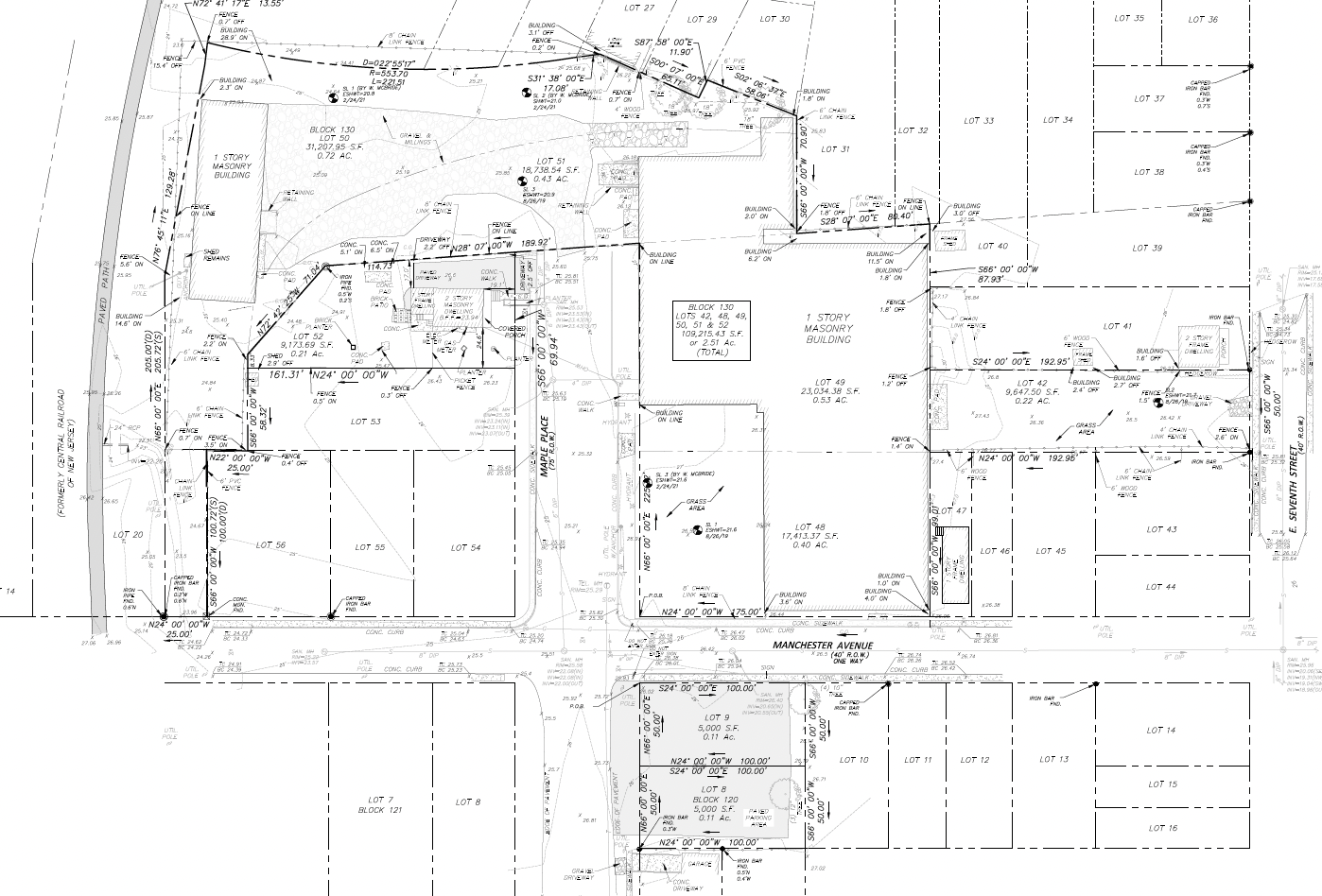
A large tract or farm in South Jersey is not priced by the acre. It is priced by what the rules allow on it: farmland preservation, the Pinelands, the coastal zone, wetlands, and whether sewer can reach it. The same 100 acres can be worth very different amounts in Salem, Cumberland, Gloucester, Cape May or Atlantic County.
Owners of big parcels can sell a South Jersey farm or large tract for cash and still compare it with preservation.
Owners of big parcels also have more ways to sell than owners of a single lot: sell outright, sell the development rights and keep farming, or, in parts of the Pinelands, sell Pinelands Development Credits. This guide explains the rules county by county, the three ways to sell, and what to gather before you talk to any buyer.
This is general information, not legal, tax or appraisal advice. Talk to your own New Jersey attorney and tax adviser before you sell.
Why is a large South Jersey tract different from a lot?
- Value comes from yield. A developer looks at how many homes the zoning, sewer or septic, wetlands and regional rules allow, then subtracts the cost and time of getting approvals. Two tracts of the same size can differ several times over in value.
- Approvals take longer. A large subdivision goes through the planning board, often county review, and state permits where wetlands, the Pinelands or the coastal zone apply.
- More kinds of buyers. Farmers, investors, developers and the state and county preservation programs all buy rural land in South Jersey, each for different reasons and at different prices.
- Often several lots. Many farms are made up of several blocks and lots, sometimes in more than one town. List them all before you ask for an offer.
Which rules shape a tract in each South Jersey county?
| County | What to check first |
|---|---|
| Salem | New Jersey’s leading farmland preservation county, according to its 2022 Farmland Preservation Plan. No Salem towns are on the Pinelands Commission’s list, so local zoning, septic, wetlands and flood rules usually decide what can be built. |
| Cumberland | Maurice River Township and Vineland are Pinelands municipalities. The Delaware Bay shoreline is in the coastal zone, where CAFRA permits can apply. |
| Gloucester | Franklin and Monroe townships are Pinelands municipalities. The county’s Land Development Review and Approval Committee reviews many subdivisions and site plans. |
| Cape May | The coastal zone covers the whole peninsula. Away from the water, residential development of 25 or more homes generally needs a CAFRA permit. Dennis, Upper and Woodbine are Pinelands municipalities. |
| Atlantic | Thirteen Atlantic County municipalities are in the Pinelands, including Hammonton, Galloway, Hamilton and Egg Harbor Township. Coastal towns fall under CAFRA. |
If your tract is in a Pinelands town, check whether the parcel itself is inside the Pinelands Area and which management area applies. Our guides to CAFRA permits and selling land with wetlands, Pinelands or Highlands limits go deeper.
What are the ways to sell a large tract?
- Sell the land outright. To a farmer, an investor or a developer. A developer usually pays the most for land with a clear path to homes, and often the least for land without one.
- Sell the development rights and keep farming. Through the farmland preservation program, the State Agriculture Development Committee and county programs buy a permanent development easement. Two independent appraisals set the value, and there is no cost or obligation to accept an offer. The land stays yours, restricted to agriculture forever. Our guide to farmland preservation vs selling to a developer compares the two.
- Sell Pinelands Development Credits. In certain Pinelands areas, the Pinelands Commission allocates development credits to land. When the owner records an agricultural deed restriction, the credits are “severed” and can be sold to developers who use them to build elsewhere, or to the Pinelands Development Credit Bank, which has worked with landowners since 1985.
Preservation and Pinelands credits are permanent. Once the restriction is recorded, the land can no longer be developed, so compare all three paths with real numbers before you choose.
What happens to farmland tax when you sell?
Most South Jersey farms are farmland assessed, which shows as Class 3B on the tax record. The low assessment is a yearly program, not a permanent right. If the land stops being used for farming, for example because it will be developed, roll-back taxes can apply for the year of the change and the two tax years before it. Who pays them is a contract point for your attorney. See our guides to farmland assessment, rollback taxes in NJ and reading NJ tax records.
Own a large tract or farm in South Jersey?
Send the block and lot. An Acquisitions Manager calls for 15 minutes, then you get a written offer within 48 to 72 hours. No fees or commissions.
How does a developer price a big tract?
- How many homes it can hold under zoning, after wetlands, buffers, roads and stormwater are taken out.
- Sewer or septic. Public sewer allows smaller lots. Without it, every home needs a septic system, so soils set the count.
- Regional rules. Pinelands management areas, CAFRA and flood rules can change both the count and the approval timeline.
- Time and risk. A tract that needs a rezoning or a long state review is worth less today than one that can be approved under current rules.
- Phasing. Large projects are often built in phases, which affects how a buyer structures the price and the closing.
Some owners sell part of the land and keep the farmhouse or the best fields. That usually needs a subdivision first. See how to subdivide land in NJ.
What should you gather before you sell?
- Every block and lot, in every town the farm crosses. Our tax records guide shows how to find them.
- Your deed and any survey.
- Farmland assessment status and recent tax bills.
- Any easements or restrictions: preservation, conservation, utility or access easements.
- Any wetlands Letter of Interpretation or prior approvals.
- Farm leases, if someone else farms the land.
- Who has to sign: every owner on title, including heirs. If co-owners disagree, see partition actions in NJ.
A quick screen on NJ-GeoWeb for wetlands, flood areas and the Pinelands boundary is a useful first step before any conversation.
Where BayfordBridge fits
We are a direct buyer and residential developer based in Red Bank, buying land in all 21 New Jersey counties, including large tracts and farms in Salem, Cumberland, Gloucester, Cape May and Atlantic counties. We read the zoning, the Pinelands and coastal rules, the wetlands and the sewer situation first, and price what can actually be built. If preservation would serve you better, we will tell you.
Have a tract with several lots? Send us every block and lot. An Acquisitions Manager calls for 15 minutes, and you get a written offer within 48 to 72 hours. Or call (732) 852-9571.
Frequently asked questions
How are large farms in South Jersey valued?
By what can be built on them, not by a flat price per acre. Zoning, sewer or septic, wetlands, the Pinelands and coastal rules decide how many homes a tract can hold, and that drives a developer’s price.
Can I sell the development rights and keep farming?
Yes. The farmland preservation program buys a permanent development easement. Two independent appraisals set the value, you keep the land, and it stays restricted to agriculture forever.
What are Pinelands Development Credits?
Credits the Pinelands Commission allocates to land in certain Pinelands areas. After the owner records an agricultural deed restriction, the credits can be sold to developers or to the Pinelands Development Credit Bank.
Do I owe roll-back taxes if I sell farmland?
Possibly. If the land stops being farmed, roll-back taxes can apply for the year of the change and the two tax years before it. Who pays is negotiated in the contract.
Do you buy farms with several blocks and lots?
Yes. Send every block and lot, even if they are in different towns, and we will price the whole tract or the parts that fit.
Sources checked
Checked on November 13, 2026.
- New Jersey Pinelands Commission, Pinelands Municipalities: municipalities by county (Atlantic 13, Cape May 3, Cumberland 2, Gloucester 2, none in Salem).
- New Jersey Pinelands Commission, Pinelands Development Credit Program and Pinelands Development Credit Bank: severing credits with an agricultural deed restriction, sale of credits, Bank since 1985.
- State Agriculture Development Committee, Farmland Preservation Program: development easement purchases, two appraisals; Salem County 2022 Farmland Preservation Plan.
- NJDEP, Coastal Zone Management Rules (N.J.A.C. 7:7): CAFRA thresholds, including residential development of 25 or more units.
- NJ Division of Taxation, farmland assessment and roll-back taxes, and the MOD IV Handbook (Class 3B).
Related guides
About the authors

Chris Muldoon, MBA
COO & Director of Acquisitions
Chris Muldoon is COO and Director of Acquisitions at BayfordBridge, a New Jersey land acquisition and entitlement company based in Red Bank. He leads the team that evaluates and makes offers on land across the state.

Mitchel Rubinstein, MBA
CEO & Founder
Mitchel Rubinstein is CEO and Founder of BayfordBridge, with roots in the family’s 30+ year residential development business.
No commission · No obligation
Your land. A real number. This week.
Send the address or Block/Lot. A named person at BayfordBridge reviews it and sends a written, formula-based offer within 48 to 72 hours, even on wetlands, Pinelands, Highlands or back-tax parcels.
Prefer to write first?